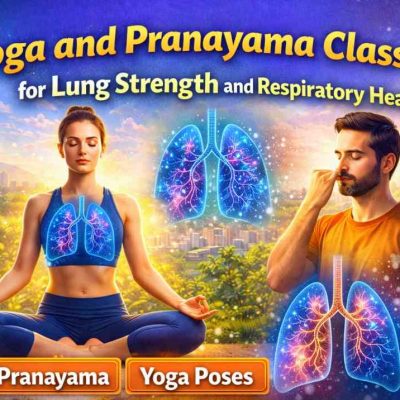
Air pollution has become an unavoidable part of modern life, especially in urban environments. From vehicle emissions and industrial smoke to dust and construction particles, our lungs are constantly exposed to harmful pollutants. Over time, this exposure can weaken respiratory function, reduce lung capacity, and trigger issues such as breathlessness, allergies, asthma, and frequent infections.
While avoiding pollution entirely may not be possible, strengthening your respiratory system from within is. A mindful combination of yoga for respiratory health pollution management and Pilates-based breathing practices can significantly support lung strength, oxygen efficiency, and overall respiratory resilience. This blog explores how yoga and Pilates work together to protect and improve lung health naturally, even in polluted environments.
Understanding How Pollution Affects Respiratory Health
Polluted air contains fine particulate matter (PM2.5 and PM10), nitrogen dioxide, sulfur dioxide, carbon monoxide, and other toxins. When inhaled regularly, these pollutants can:
-
Irritate airways and lung tissue
-
Reduce oxygen exchange efficiency
-
Increase inflammation and mucus buildup
-
Trigger asthma and allergic reactions
-
Weaken immunity in the respiratory tract
-
Cause fatigue, headaches, and reduced stamina
Over time, the lungs lose elasticity, breathing becomes shallow, and the body struggles to maintain optimal oxygen levels. This is where conscious movement and breath-based practices become essential.
Why Yoga for Respiratory Health in Pollution Is Effective
Yoga is not just physical exercise—it is a holistic system that integrates posture, breath, awareness, and relaxation. When practiced regularly, yoga helps counteract many negative effects of polluted air.
Key benefits of yoga for respiratory health pollution include:
-
Improved lung expansion and elasticity
-
Enhanced oxygen uptake and circulation
-
Strengthened respiratory muscles
-
Detoxification through deep breathing
-
Reduced inflammation and stress response
-
Better posture, allowing freer breathing
Unlike intense cardio workouts that may strain the lungs in polluted air, yoga offers controlled, mindful movement that supports respiratory healing without overload.
The Role of Pilates in Lung Strength and Breathing Efficiency
Pilates is often associated with core strength, but its breathing principles are equally powerful for respiratory health. Pilates focuses on lateral rib breathing, which trains the lungs to expand three-dimensionally rather than relying only on shallow chest breathing.
Pilates supports respiratory health by:
-
Strengthening the diaphragm and intercostal muscles
-
Improving posture and spinal alignment
-
Enhancing breath control and efficiency
-
Reducing tension in the neck and chest
-
Supporting endurance without breath strain
When combined with yoga, Pilates adds structural strength and control, making breathing more effective and sustainable.
Yoga Practices That Support Respiratory Health in Pollution
Tadasana (Mountain Pose)
This foundational posture improves posture and chest openness, which is essential for unrestricted breathing.
Benefits:
-
Encourages upright spinal alignment
-
Creates space in the lungs
-
Improves breathing awareness
Practicing Tadasana with slow, deep breaths helps retrain the body to breathe fully rather than shallowly.
Bhujangasana (Cobra Pose)
This gentle backbend expands the chest and stimulates the lungs.
Benefits:
-
Opens the heart and lungs
-
Improves oxygen intake
-
Reduces stiffness in the upper body
This pose is especially useful for people who spend long hours sitting or working in polluted urban settings.
Setu Bandhasana (Bridge Pose)
Bridge Pose strengthens the back and opens the chest, supporting deeper breathing.
Benefits:
-
Enhances lung capacity
-
Improves circulation
-
Supports spinal health
Holding the pose with controlled breathing increases respiratory endurance.
Ardha Matsyendrasana (Seated Twist)
Twisting poses help detoxify internal organs and improve circulation to the lungs.
Benefits:
-
Improves lung function indirectly through detox support
-
Encourages deep, conscious breathing
-
Relieves tension around the rib cage
Balasana (Child’s Pose) with Breath Awareness
This restorative pose calms the nervous system and encourages slow, relaxed breathing.
Benefits:
-
Reduces stress-induced breath holding
-
Improves diaphragmatic breathing
-
Supports lung recovery
In polluted environments, stress often worsens breathing issues. This pose helps break that cycle.
Pranayama: The Heart of Yoga for Respiratory Health in Pollution
Breathwork is the most powerful tool for lung strengthening and pollution defense.
Anulom Vilom (Alternate Nostril Breathing)
This balancing pranayama improves oxygen efficiency and clears nasal passages.
Benefits:
-
Enhances lung function
-
Reduces airway irritation
-
Improves nervous system balance
Regular practice helps the body adapt better to polluted air.
Bhramari (Humming Bee Breath)
Bhramari soothes the respiratory system and reduces inflammation.
Benefits:
-
Calms irritated airways
-
Improves nitric oxide release, which benefits lungs
-
Reduces stress-related breathing problems
This is particularly helpful for people experiencing breathlessness due to pollution.
Deep Diaphragmatic Breathing
Often overlooked, this simple practice retrains the lungs to use their full capacity.
Benefits:
-
Strengthens the diaphragm
-
Improves oxygen delivery
-
Reduces shallow chest breathing
Practicing diaphragmatic breathing daily builds long-term respiratory resilience.
Pilates Breathing Techniques for Lung Strength
Lateral Rib Breathing
Pilates teaches breathing into the sides and back of the rib cage.
Benefits:
-
Improves lung expansion
-
Strengthens intercostal muscles
-
Enhances posture-related breathing
This technique is excellent for people who feel restricted in their breathing.
Core-Integrated Breathing
In Pilates, breath is coordinated with core engagement.
Benefits:
-
Improves breath control
-
Supports efficient oxygen use
-
Reduces unnecessary breath strain
This is particularly useful for people who fatigue easily in polluted environments.
Spine Mobility with Breath
Pilates movements combined with breathing improve spinal flexibility and lung space.
Benefits:
-
Frees the rib cage
-
Improves breathing depth
-
Reduces stiffness caused by sedentary lifestyles
Combining Yoga and Pilates for Maximum Respiratory Benefits
When yoga and Pilates are practiced together, they create a balanced system for lung health.
Yoga contributes:
-
Relaxation and stress reduction
-
Lung expansion and detoxification
-
Breath awareness
Pilates contributes:
-
Structural strength
-
Breath control and efficiency
-
Postural support
This combination makes yoga for respiratory health pollution management more effective and sustainable.
Lifestyle Support for Lung Health in Polluted Environments
Yoga and Pilates work best when supported by mindful lifestyle choices.
Helpful habits include:
-
Practicing early morning or indoor sessions when pollution is lower
-
Using nasal cleansing techniques if recommended by professionals
-
Staying hydrated to support mucus clearance
-
Maintaining indoor air quality with ventilation and plants
-
Avoiding intense outdoor workouts during high pollution hours
Consistent, moderate practice is far more beneficial than occasional intense effort.
Who Can Benefit from These Practices
Yoga and Pilates for respiratory health are suitable for:
-
Urban residents exposed to daily pollution
-
Office workers with shallow breathing habits
-
Individuals with mild asthma or allergies
-
People recovering from respiratory infections
-
Anyone seeking preventive lung care
These practices can be adapted for beginners, seniors, and those with limited mobility.
How Often Should You Practice?
For noticeable benefits:
-
Yoga asanas: 4–5 times per week
-
Pranayama: daily, even 10–15 minutes
-
Pilates breathing and movement: 2–3 times per week
Consistency matters more than duration. Even short daily practices strengthen respiratory resilience over time.
Final Thoughts
Living in a polluted environment does not mean compromised respiratory health is inevitable. With mindful movement and conscious breathing, the lungs can become stronger, more resilient, and better equipped to handle environmental stress.
Practicing yoga for respiratory health pollution management, supported by Pilates-based breathing and posture work, offers a natural, holistic way to protect and strengthen your lungs. These practices do not just improve breathing—they enhance energy levels, mental clarity, immunity, and overall quality of life.
By committing to regular yoga and Pilates practice, you are not just reacting to pollution—you are building long-term respiratory strength from within.