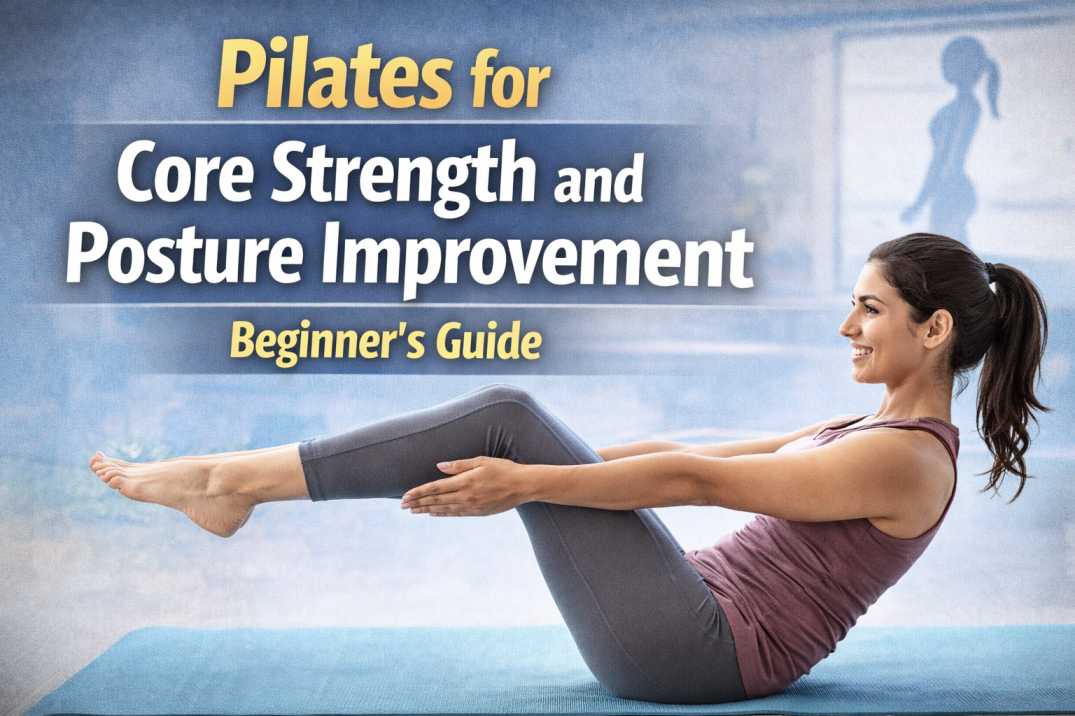
In today’s fast-paced lifestyle, many people struggle with poor posture, weak core muscles, and constant body stiffness caused by long hours of sitting, screen usage, and lack of physical activity. While many fitness routines focus on intense workouts or heavy training, Pilates offers a balanced approach that strengthens the body while improving flexibility and posture.
Pilates has gained popularity worldwide for its ability to strengthen the body from the inside out. One of its greatest benefits is improving core strength, which supports the spine, stabilizes the body, and enhances overall movement. For beginners, understanding the fundamentals of pilates for core strength can help build a strong foundation for better health and posture.
This beginner’s guide explains what Pilates is, how it improves core strength and posture, and how beginners can start practicing safely and effectively.
What Is Pilates?
Pilates is a low-impact exercise system developed by Joseph Pilates in the early 20th century. It focuses on controlled movements, breathing techniques, and precise muscle engagement to strengthen the body.
Unlike traditional workouts that may target isolated muscles, Pilates emphasizes the connection between the mind and body. It trains the body to move with control and awareness while strengthening deep stabilizing muscles.
Pilates exercises are typically performed on a mat or specialized equipment, though beginners usually start with mat-based exercises.
The primary focus of Pilates is strengthening the “core,” which includes muscles that support the spine, abdomen, hips, and pelvis.
Understanding Core Strength
The core is often associated only with abdominal muscles, but it actually includes a group of muscles that stabilize the entire torso.
These muscles include:
Abdominal muscles
Lower back muscles
Pelvic floor muscles
Hip muscles
Oblique muscles
Deep stabilizing muscles around the spine
A strong core is essential for maintaining balance, supporting the spine, and preventing injuries.
Weak core muscles can lead to several issues such as poor posture, back pain, muscle imbalances, and reduced physical performance.
Pilates focuses on strengthening these deep muscles through controlled and precise movements, making it one of the most effective methods for building core strength.
How Pilates Improves Core Strength
Pilates exercises activate deep stabilizing muscles that are often neglected in conventional workouts.
Each movement in Pilates requires controlled breathing, muscle engagement, and proper alignment. Instead of relying on momentum, the exercises focus on slow and deliberate movements.
This approach strengthens the muscles that support the spine and pelvis, creating a strong and stable core.
Over time, practicing pilates for core strength helps improve muscle endurance, coordination, and body awareness.
The Connection Between Core Strength and Posture
Posture refers to the way we hold our body while standing, sitting, or moving. Good posture ensures that muscles and joints function efficiently without unnecessary strain.
Poor posture can develop due to prolonged sitting, improper ergonomics, weak muscles, and lack of physical activity.
Common posture problems include:
Rounded shoulders
Forward head posture
Lower back pain
Slouching while sitting or standing
When the core muscles are weak, the body struggles to maintain proper alignment. The spine may become unstable, causing surrounding muscles to compensate and create tension.
Pilates helps correct these issues by strengthening the muscles responsible for supporting the spine.
With regular practice, Pilates promotes better posture by improving muscle balance and alignment.
Key Principles of Pilates
Pilates exercises are based on several core principles that make the practice effective.
Breathing
Proper breathing plays a central role in Pilates. Controlled breathing helps activate core muscles and improves oxygen flow throughout the body.
Breathing techniques in Pilates also help reduce stress and improve focus during exercises.
Concentration
Pilates requires mindful attention to each movement. Concentration helps ensure that the correct muscles are activated during exercises.
Control
Movements in Pilates are slow and controlled. This prevents injury and ensures that muscles are engaged properly.
Precision
Every movement in Pilates is performed with proper alignment and technique. Precision ensures maximum effectiveness.
Flow
Pilates exercises are designed to flow smoothly from one movement to another, creating a balanced and efficient workout.
Benefits of Pilates for Core Strength
Pilates offers numerous benefits beyond strengthening the core.
Improved Posture
Strengthening the muscles that support the spine helps maintain better posture throughout daily activities.
Reduced Back Pain
Weak core muscles often contribute to lower back pain. Pilates strengthens these muscles and improves spinal stability.
Increased Flexibility
Pilates combines strength with flexibility, allowing muscles to move more freely.
Better Balance and Stability
Core strength improves overall body balance, which is essential for daily movement and physical performance.
Injury Prevention
Stronger muscles and improved body alignment reduce the risk of injuries during exercise or daily activities.
Enhanced Mind-Body Awareness
Pilates encourages awareness of body movement, which improves coordination and control.
Beginner Pilates Exercises for Core Strength
Beginners can start with simple exercises that gradually strengthen core muscles.
Pelvic Tilt
This exercise strengthens lower abdominal muscles and supports the lower back.
Lie on your back with knees bent and feet flat on the floor. Gently tilt your pelvis upward while engaging your abdominal muscles.
Hold the position briefly before returning to the starting position.
The Hundred
The Hundred is a classic Pilates exercise that activates the core and improves breathing control.
Lie on your back with legs lifted and arms extended beside you. Pump your arms up and down while maintaining controlled breathing.
Leg Circles
Leg circles strengthen hip and abdominal muscles while improving control and stability.
Lie on your back and extend one leg toward the ceiling. Slowly move the leg in controlled circular motions while keeping the core engaged.
Plank
Planks are excellent for building core strength and stability.
Position your body in a straight line supported by your forearms and toes. Engage your abdominal muscles and maintain a neutral spine.
Hold the position for several seconds while breathing steadily.
Single Leg Stretch
This exercise targets abdominal muscles while improving coordination.
Lie on your back and bring one knee toward your chest while extending the other leg outward. Alternate legs while maintaining core engagement.
Tips for Beginners Practicing Pilates
Starting Pilates can be simple and enjoyable with the right approach.
Focus on Technique
Proper form is more important than performing many repetitions. Slow, controlled movements ensure the correct muscles are activated.
Start with Basic Exercises
Beginners should start with simple exercises and gradually progress to more advanced movements.
Practice Consistently
Consistency is key to achieving results. Practicing Pilates a few times each week can significantly improve core strength and posture.
Listen to Your Body
Avoid pushing too hard during exercises. Pilates is about controlled movement, not intensity.
Consider Professional Guidance
Learning from a qualified instructor can help beginners understand proper technique and avoid injuries.
Pilates for Long-Term Health
Pilates is not just a short-term fitness routine; it is a long-term approach to maintaining overall health and body balance.
Regular Pilates practice improves muscle strength, flexibility, posture, and mental focus.
Many people incorporate Pilates into their lifestyle as a way to maintain physical health while reducing stress.
It can also complement other forms of exercise such as yoga, strength training, or cardio workouts.
Who Can Practice Pilates?
One of the advantages of Pilates is that it is suitable for people of all ages and fitness levels.
Beginners, athletes, office workers, seniors, and individuals recovering from injuries can all benefit from Pilates exercises.
Because Pilates is low impact, it places less stress on joints compared to high-intensity workouts.
This makes it a safe and effective exercise method for maintaining long-term fitness.
Common Mistakes Beginners Should Avoid
While Pilates is beginner-friendly, certain mistakes can reduce its effectiveness.
Holding Your Breath
Proper breathing is essential in Pilates. Holding your breath can reduce oxygen flow and limit muscle activation.
Moving Too Quickly
Pilates exercises should be performed slowly and with control.
Ignoring Alignment
Poor alignment can place unnecessary strain on the spine and joints.
Overworking the Neck
Some exercises may strain the neck if performed incorrectly. Focus on engaging the core instead of pulling the neck forward.
Incorporating Pilates Into Your Routine
Beginners can start practicing Pilates two to three times per week. Even short sessions of 20 to 30 minutes can provide noticeable benefits over time.
Combining Pilates with other wellness practices such as yoga, mindful breathing, and balanced nutrition can further enhance overall health.
Consistency and patience are essential when practicing Pilates. Improvements in strength, posture, and flexibility develop gradually with regular practice.
Conclusion
Pilates offers an effective and balanced approach to strengthening the body and improving posture. By focusing on controlled movements and deep muscle engagement, pilates for core strength helps build stability, reduce back pain, and support healthy body alignment.
For beginners, Pilates provides a safe and accessible way to improve physical fitness while developing greater awareness of body movement. With regular practice, individuals can experience improved posture, stronger muscles, and better overall well-being.
Incorporating Pilates into a daily wellness routine can lead to long-term benefits that support both physical health and mental balance. Whether practiced at home or with professional guidance, Pilates is a powerful tool for building a strong core and maintaining a healthy posture for years to come.