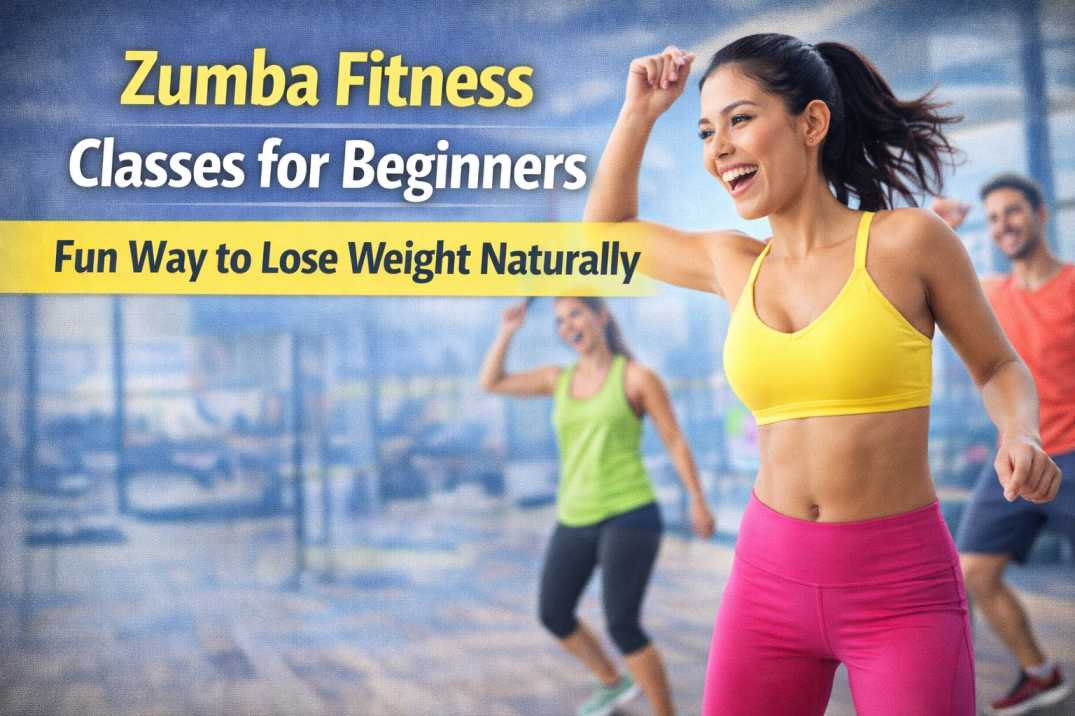
Staying active and maintaining a healthy weight can sometimes feel challenging, especially for beginners who may find traditional workouts repetitive or difficult to follow. Many people start fitness routines with enthusiasm but lose motivation because their workouts feel more like a chore than an enjoyable activity. This is where Zumba comes in as a refreshing and engaging alternative.
Zumba combines dance, music, and fitness into an energetic workout that feels more like a celebration than exercise. Designed to be accessible for people of all fitness levels, zumba fitness classes for beginners provide a fun way to improve health, burn calories, and build confidence while enjoying rhythmic movements.
This guide explains how Zumba works, why it is effective for weight loss, what beginners can expect in their first class, and how it supports a healthier lifestyle.
What Is Zumba
Zumba is a dance-based fitness program that blends Latin and international music with easy-to-follow dance movements. Created by Colombian dancer Alberto “Beto” Perez in the 1990s, Zumba quickly became a global fitness trend.
Unlike traditional exercise routines that focus on repetitive movements, Zumba uses lively music and choreographed steps inspired by various dance styles such as salsa, merengue, reggaeton, and hip-hop.
The result is a high-energy workout that engages the entire body while keeping participants motivated and entertained.
Why Zumba Is Ideal for Beginners
Many beginners hesitate to start exercising because they feel intimidated by intense gym workouts or complex training programs. Zumba eliminates this fear by creating a welcoming and enjoyable environment.
The choreography in Zumba classes is designed to be simple and repetitive, allowing beginners to learn the movements quickly. Participants are encouraged to move at their own pace without pressure.
Because the focus is on enjoyment rather than perfection, beginners often find Zumba easier to maintain as part of their fitness routine.
Another reason zumba fitness classes for beginners are popular is that no prior dance experience is required. The goal is simply to move, enjoy the music, and stay active.
How Zumba Helps with Natural Weight Loss
Weight loss occurs when the body burns more calories than it consumes. Zumba is effective for weight loss because it combines cardiovascular exercise with full-body movements.
During a typical Zumba class, participants move continuously through a variety of dance routines that elevate the heart rate. This increases calorie burning and supports fat loss.
Zumba workouts engage multiple muscle groups including the legs, arms, core, and hips. The constant movement helps improve metabolism and energy levels.
A one-hour Zumba session can burn several hundred calories depending on the intensity of the workout and the participant’s body weight.
When combined with healthy eating habits, Zumba can become a powerful tool for sustainable weight management.
Physical Benefits of Zumba
Zumba provides a wide range of physical benefits that extend beyond weight loss.
Improved Cardiovascular Health
Zumba is a cardio-based workout that strengthens the heart and improves blood circulation. Regular participation helps reduce the risk of heart-related health issues.
Increased Muscle Tone
Dance movements engage multiple muscles throughout the body, helping improve strength and muscle tone.
Better Coordination and Balance
Following dance routines helps improve coordination and balance over time. This is particularly beneficial for beginners who want to enhance their body awareness.
Enhanced Flexibility
Many Zumba movements involve stretching and dynamic motion, which can gradually increase flexibility.
Higher Energy Levels
Regular physical activity improves overall stamina and reduces fatigue, making it easier to stay active throughout the day.
Mental and Emotional Benefits of Zumba
Exercise is not only important for physical health but also for mental well-being. Zumba offers several psychological benefits that help improve overall mood and motivation.
Stress Relief
Dancing to upbeat music helps release endorphins, which are natural chemicals that promote feelings of happiness and relaxation.
Improved Confidence
Learning new dance movements and completing workouts can boost self-confidence and self-esteem.
Social Interaction
Group Zumba classes create opportunities to connect with others who share similar fitness goals.
Positive Mindset
The energetic atmosphere of Zumba classes encourages participants to focus on enjoyment rather than stress.
What to Expect in Your First Zumba Class
For beginners attending their first Zumba session, understanding what to expect can help reduce anxiety and make the experience more enjoyable.
A typical Zumba class begins with a warm-up to prepare the body for movement. This is followed by a series of dance routines performed to upbeat music.
Each routine focuses on different movements that engage various muscle groups.
The class gradually increases in intensity before transitioning to a cool-down phase that includes stretching and relaxation.
Instructors guide participants through the movements and encourage everyone to move comfortably at their own pace.
The goal is not perfection but participation and enjoyment.
Basic Zumba Moves for Beginners
Although Zumba routines vary, many beginner classes include simple dance steps that are easy to follow.
Salsa Steps
Salsa movements involve side-to-side steps combined with hip movement. These steps help improve coordination and rhythm.
Merengue March
This step resembles a marching movement with hip motion and arm swings.
Reggaeton Steps
Reggaeton routines often include energetic movements such as squats, jumps, and body isolations.
Cumbia Steps
Cumbia steps involve a rhythmic pattern that emphasizes footwork and hip movement.
By repeating these steps throughout the class, beginners quickly become familiar with the choreography.
Tips for Beginners Starting Zumba
Starting a new fitness routine can feel overwhelming, but a few simple tips can make the experience more enjoyable.
Wear Comfortable Clothing
Choose lightweight and breathable clothing that allows freedom of movement.
Stay Hydrated
Drink water before and after the class to maintain hydration during physical activity.
Focus on Movement, Not Perfection
Beginners should focus on staying active rather than trying to perform every step perfectly.
Start Slowly
It is normal to feel tired during the first few classes. Gradually building endurance helps the body adapt.
Enjoy the Music
Allow yourself to enjoy the music and rhythm instead of worrying about mistakes.
How Often Should Beginners Practice Zumba
For beginners, attending Zumba classes two to three times per week is a good starting point.
This frequency allows the body to adapt to the new exercise routine while providing enough time for recovery.
As fitness levels improve, participants may choose to increase the number of sessions each week.
Consistency is key to achieving long-term health benefits.
Combining Zumba with Healthy Lifestyle Habits
Although Zumba is effective for weight loss, combining it with healthy lifestyle habits can produce better results.
Balanced nutrition supports energy levels and recovery after workouts.
Proper sleep helps the body repair and maintain optimal performance.
Additional activities such as yoga, walking, or strength training can complement Zumba workouts and enhance overall fitness.
A holistic approach to health ensures sustainable and long-lasting results.
Who Can Join Zumba Fitness Classes
One of the best aspects of Zumba is its accessibility. People of all ages and fitness levels can participate.
Beginners who have never exercised before can start with low-intensity movements and gradually build stamina.
Individuals looking for a fun alternative to traditional workouts often find Zumba highly motivating.
Even those who are not confident in their dancing abilities can enjoy the experience because the emphasis is on movement and enjoyment rather than technique.
Why Zumba Is a Sustainable Fitness Choice
Many fitness routines fail because people lose interest over time. Zumba stands out because it keeps workouts engaging and dynamic.
The combination of music, dance, and social interaction helps maintain long-term motivation.
Because each class includes different routines and music styles, participants rarely feel bored.
For many individuals, Zumba becomes not just a workout but a lifestyle activity that promotes both physical and emotional well-being.
Conclusion
Maintaining a healthy lifestyle does not have to involve strict or monotonous exercise routines. Zumba offers a refreshing and enjoyable approach to fitness that combines dance, music, and movement into an effective workout.
For those starting their fitness journey, zumba fitness classes for beginners provide an accessible and engaging way to improve health, burn calories, and build confidence.
By incorporating regular Zumba sessions into your routine and supporting them with healthy lifestyle habits, you can experience improved energy, better physical fitness, and a positive mindset.
Most importantly, Zumba reminds us that fitness can be fun, motivating, and sustainable when we move our bodies in ways that bring joy and excitement.