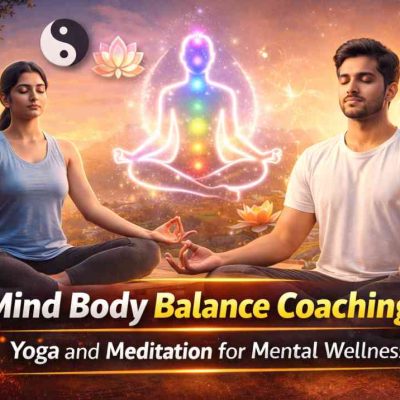

In today’s fast-paced lifestyle, maintaining physical and mental well-being has become more important than ever. Yoga, an ancient practice rooted in holistic healing, offers a powerful way to improve flexibility, strength, and inner balance. The best part is that you don’t need a gym or studio to begin—yoga classes for beginners at home are an accessible and effective way to start your wellness journey.
Whether you are completely new to yoga or looking to build a consistent routine, this step-by-step guide will help you understand how to begin, what to expect, and how to progress safely and confidently from the comfort of your home.
Why Choose Yoga at Home?
Practicing yoga at home has become increasingly popular due to its convenience and flexibility. Unlike traditional classes, home-based yoga allows you to learn at your own pace without pressure.
Key Benefits
- Flexibility in schedule
- Comfortable learning environment
- Cost-effective compared to studio classes
- Personalized pace and progress
- No commuting time
Many beginners feel more relaxed practicing at home, which helps them stay consistent and build confidence.
What Are Yoga Classes for Beginners at Home?
Yoga classes for beginners at home are structured sessions designed specifically for people who are new to yoga. These classes focus on basic postures (asanas), breathing techniques (pranayama), and relaxation practices.
They typically include:
- Warm-up exercises
- Basic yoga poses
- Breathing techniques
- Cool-down and relaxation
These classes are simple, safe, and easy to follow, making them ideal for beginners.
Setting Up Your Home Yoga Space
Creating a dedicated space for yoga helps improve focus and consistency.
What You Need
- A yoga mat
- Comfortable clothing
- Quiet and well-ventilated area
- Optional props (blocks, straps, cushions)
Your space doesn’t need to be large—just enough to move freely and stretch comfortably.
Choosing the Right Type of Yoga
There are different types of yoga, and beginners should start with gentle styles.
Recommended Styles
- Hatha Yoga – Slow-paced and beginner-friendly
- Vinyasa Yoga – Flow-based movement with breathing
- Yin Yoga – Deep stretching and relaxation
- Restorative Yoga – Focus on healing and stress relief
If you are unsure where to start, guided programs from wellness experts such as Studio Healthy Lifestyle can help you follow a structured approach.
Basic Yoga Poses for Beginners
Starting with simple poses helps build strength and flexibility gradually.
1. Mountain Pose (Tadasana)
Improves posture and balance.
2. Downward Dog (Adho Mukha Svanasana)
Stretches the entire body and strengthens muscles.
3. Child’s Pose (Balasana)
Provides relaxation and gentle stretching.
4. Cat-Cow Pose
Improves spine flexibility and relieves tension.
5. Cobra Pose (Bhujangasana)
Strengthens the back and opens the chest.
6. Tree Pose (Vrikshasana)
Enhances balance and concentration.
Practicing these poses regularly forms a strong foundation for your yoga journey.
Importance of Breathing (Pranayama)
Breathing is a core element of yoga that enhances both physical and mental benefits.
Simple Techniques
- Deep breathing
- Alternate nostril breathing
- Belly breathing
These techniques help reduce stress, improve lung capacity, and increase focus.
Creating a Daily Yoga Routine
Consistency is the key to seeing results in yoga.
Beginner Routine (20–30 Minutes)
- 5 minutes warm-up
- 10–15 minutes basic poses
- 5 minutes breathing exercises
- 5 minutes relaxation
Start with 3–4 days a week and gradually increase frequency.
Common Mistakes Beginners Should Avoid
Starting yoga at home is easy, but beginners often make a few mistakes.
Avoid These Errors
- Skipping warm-up
- Forcing difficult poses
- Ignoring breathing techniques
- Practicing irregularly
- Comparing progress with others
Yoga is a personal journey—focus on your own pace and improvement.
Benefits of Yoga for Beginners
Yoga offers a wide range of physical and mental benefits.
Physical Benefits
- Improved flexibility
- Better posture
- Increased strength
- Enhanced immunity
Mental Benefits
- Reduced stress and anxiety
- Improved focus and clarity
- Better sleep quality
- Emotional balance
With regular practice, these benefits become more noticeable over time.
How Online Yoga Classes Help Beginners
Online yoga classes have made learning yoga more accessible than ever.
Advantages
- Guided instructions from experts
- Structured programs
- Flexibility to practice anytime
- Access to recorded sessions
Many beginners prefer online classes because they provide professional guidance without leaving home.
How Long Does It Take to See Results?
Results vary depending on consistency and effort.
Typical Timeline
- 1–2 weeks: Improved relaxation and flexibility
- 3–4 weeks: Better strength and posture
- 6–8 weeks: Noticeable physical and mental changes
The key is regular practice and patience.
Yoga for Specific Goals
Yoga can be tailored to meet different health goals.
Weight Loss
Combining yoga with proper diet helps in sustainable weight management.
Stress Relief
Breathing exercises and meditation are highly effective for reducing stress.
Pain Relief
Therapeutic yoga can help with back pain, joint pain, and muscle stiffness.
Flexibility and Fitness
Regular practice improves mobility and overall fitness levels.
Tips to Stay Consistent
Staying consistent can be challenging, especially in the beginning.
Practical Tips
- Set a fixed time daily
- Start with short sessions
- Track your progress
- Follow guided classes
- Stay patient and motivated
Consistency matters more than intensity in yoga.
Do You Need a Yoga Instructor?
While self-learning is possible, guidance can improve your progress.
Benefits of Professional Guidance
- Correct posture and alignment
- Personalized routines
- Faster progress
- Reduced risk of injury
Beginners often benefit from expert-led sessions, especially in the initial stages.
Is Yoga Safe for Everyone?
Yoga is generally safe for all age groups when practiced correctly.
However, if you have medical conditions, it is advisable to consult a professional before starting.
Building a Long-Term Yoga Habit
Yoga is not just a workout—it is a lifestyle.
To make it a habit:
- Practice regularly
- Focus on mindfulness
- Combine with healthy eating
- Stay committed to self-care
Over time, yoga becomes a natural part of your daily routine.
Conclusion
Yoga classes for beginners at home offer a simple, effective, and flexible way to start your wellness journey. With minimal equipment and a structured approach, anyone can begin practicing yoga and experience its transformative benefits.
From improving physical strength and flexibility to enhancing mental clarity and emotional balance, yoga provides a complete solution for overall well-being. By starting slow, staying consistent, and following proper guidance, you can build a strong foundation and progress confidently.
Your journey toward better health and inner peace can begin right at home—one breath and one pose at a time.