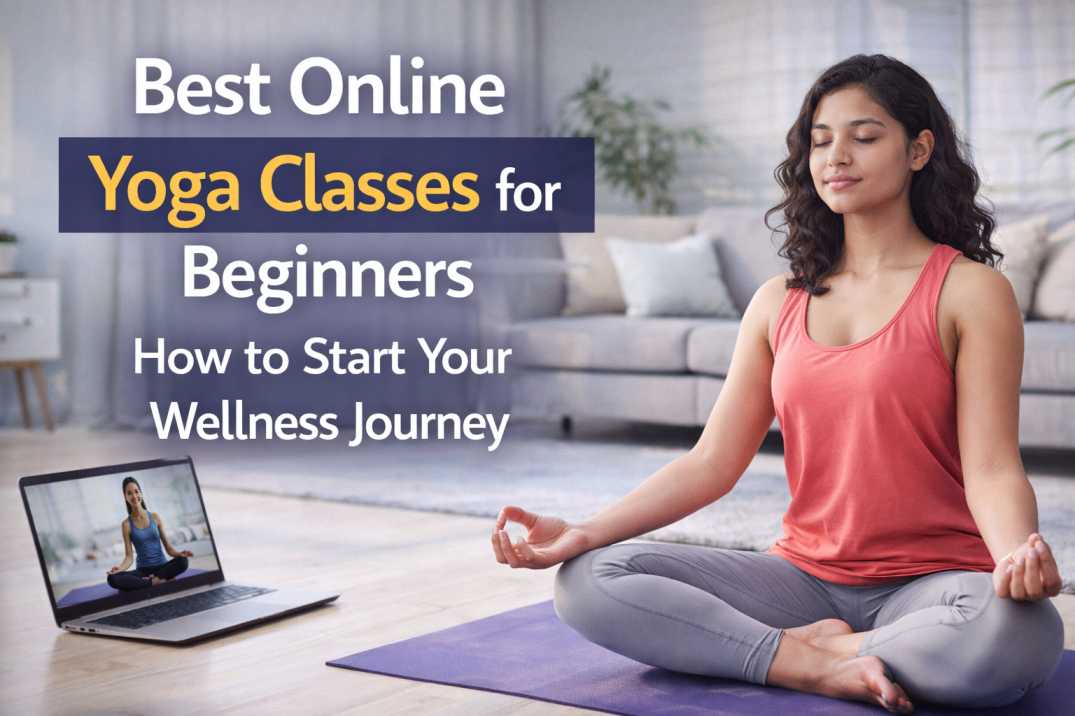
Yoga has become one of the most popular ways to improve physical health, mental clarity, and emotional balance. In today’s fast-paced lifestyle, many people struggle to find time to attend physical yoga studios. As a result, online yoga learning has become an accessible and convenient option for beginners who want to begin their wellness journey from the comfort of home.
Online yoga allows people to practice at their own pace, learn from experienced instructors, and build a consistent routine without the pressure of traveling or adjusting schedules. For beginners especially, online yoga classes offer a comfortable starting point where they can gradually understand the basics of posture, breathing, and mindfulness.
This guide explores the benefits of online yoga classes for beginners, how to start practicing yoga at home, what to expect from online classes, and how beginners can create a sustainable wellness routine.
Understanding Yoga and Its Holistic Benefits
Yoga is more than just physical exercise. It is a holistic practice that combines movement, breath control, and mindfulness to improve overall well-being. The word yoga originates from the Sanskrit word “Yuj,” which means union. This reflects the idea of connecting the body, mind, and breath to achieve balance and harmony.
For beginners, yoga offers a gentle introduction to physical activity while promoting mental relaxation and emotional stability. Unlike many other forms of exercise, yoga focuses on slow, controlled movements that help develop flexibility, strength, and awareness.
Practicing yoga regularly can improve posture, reduce stress, increase energy levels, and support overall health.
Why Online Yoga Classes Are Ideal for Beginners
Online learning has transformed how people access wellness education. Yoga classes that were once limited to physical studios are now available online through virtual sessions, recorded programs, and one-on-one coaching.
For beginners, online yoga classes provide several advantages.
Comfortable Learning Environment
Starting something new can feel intimidating. Practicing yoga at home allows beginners to learn without feeling self-conscious. This relaxed environment encourages consistent practice and gradual progress.
Flexible Schedule
Online yoga classes allow students to practice at a time that fits their daily routine. Whether early morning or late evening, flexibility makes it easier to stay consistent.
Access to Experienced Instructors
Many online yoga programs are led by certified instructors who provide structured guidance, ensuring that beginners learn correct posture and breathing techniques.
Personalized Attention
Some online classes offer personalized training where instructors tailor sessions based on individual health conditions, fitness levels, and wellness goals.
Affordable Learning Options
Online classes are often more affordable than studio memberships while still providing high-quality guidance.
For these reasons, online yoga classes for beginners have become a popular starting point for people looking to improve their health naturally.
What Beginners Can Expect from Online Yoga Classes
Many beginners worry that yoga might be difficult or require extreme flexibility. However, beginner-friendly yoga classes are designed to introduce simple movements and breathing techniques that anyone can practice.
Online beginner yoga programs usually include the following elements.
Basic Yoga Postures
Students learn foundational yoga poses that build strength and flexibility gradually. These poses are simple and adaptable for different body types.
Breathing Techniques
Breath control, known as pranayama, is an essential part of yoga practice. Beginners learn how to coordinate breathing with movement to enhance relaxation and concentration.
Guided Relaxation
Relaxation practices help reduce stress and improve mental clarity. Many classes end with short meditation or relaxation sessions.
Mindful Movement
Yoga encourages slow, controlled movements that help improve body awareness and posture.
Step-by-Step Instructions
Online instructors explain poses carefully, making it easy for beginners to follow along and learn proper techniques.
Essential Yoga Poses for Beginners
While there are hundreds of yoga poses, beginners typically start with a small set of foundational postures that prepare the body for deeper practice.
Mountain Pose
This pose teaches proper standing posture and balance. It helps beginners develop body awareness and alignment.
Downward Facing Dog
A common yoga pose that stretches the spine, shoulders, and legs while improving circulation.
Child’s Pose
A relaxing posture that helps release tension in the back, shoulders, and hips.
Cat and Cow Pose
These gentle movements improve spinal flexibility and help beginners understand how to coordinate breath with motion.
Cobra Pose
This posture strengthens the back muscles and improves spinal flexibility.
Practicing these poses regularly helps beginners build confidence and physical stability.
Importance of Breathing in Yoga Practice
Breathing is one of the most important elements of yoga. Proper breathing techniques help increase oxygen flow, calm the nervous system, and improve concentration.
In online yoga classes for beginners, instructors often teach simple breathing practices such as deep diaphragmatic breathing and alternate nostril breathing.
These breathing techniques can help reduce anxiety, improve lung capacity, and support mental clarity.
Breath awareness also enhances the overall yoga experience by creating a connection between the mind and body.
How to Set Up a Comfortable Yoga Space at Home
Creating a calm and comfortable practice environment can improve the quality of online yoga sessions.
Choose a Quiet Space
Select a peaceful area in your home where you can practice without distractions.
Use a Yoga Mat
A good-quality yoga mat provides stability and comfort during practice.
Wear Comfortable Clothing
Loose or stretchable clothing allows free movement during yoga poses.
Ensure Good Lighting and Ventilation
A well-lit and ventilated space creates a pleasant practice atmosphere.
Keep Water Nearby
Staying hydrated during exercise is important for overall well-being.
A simple and clean space helps beginners focus better on their practice.
Tips for Beginners Starting Online Yoga
Starting yoga can feel overwhelming at first, but small steps can make the journey enjoyable and sustainable.
Start Slowly
Beginners should begin with short sessions of 15 to 30 minutes and gradually increase practice duration.
Focus on Proper Form
Correct posture is more important than achieving advanced poses. Listening to the instructor’s guidance helps avoid injury.
Be Consistent
Practicing yoga regularly is more beneficial than occasional long sessions.
Listen to Your Body
Every individual has different flexibility levels. Beginners should avoid pushing themselves too hard.
Combine Yoga with Healthy Lifestyle Habits
Yoga works best when combined with balanced nutrition, adequate sleep, and mindful living.
With patience and consistency, beginners can gradually improve strength, flexibility, and mental calmness.
How Yoga Supports Mental and Emotional Well-being
Yoga is widely known for its ability to reduce stress and improve emotional balance.
During yoga practice, the body activates the parasympathetic nervous system, which helps reduce stress hormones and promote relaxation.
Many beginners who start yoga for physical fitness eventually notice improvements in mental clarity, mood, and emotional stability.
Regular yoga practice can help manage anxiety, improve sleep quality, and increase overall happiness.
For people dealing with busy lifestyles, yoga offers a natural way to slow down and reconnect with themselves.
Role of Personalized Online Yoga Coaching
While group yoga classes are beneficial, personalized yoga coaching offers additional advantages for beginners.
In one-on-one sessions, instructors can tailor yoga routines according to an individual’s health condition, flexibility level, and wellness goals.
Personalized sessions are particularly helpful for people with specific health concerns such as back pain, stress, or weight management.
Customized yoga programs ensure safe practice while maximizing the benefits of each session.
How Yoga Complements a Holistic Wellness Lifestyle
Yoga works best when combined with other healthy lifestyle habits.
Balanced Nutrition
Eating nutritious foods supports energy levels and recovery after physical activity.
Regular Physical Activity
Yoga can be combined with other forms of exercise such as walking, aerobics, or strength training.
Mindfulness and Meditation
Practicing mindfulness helps reduce stress and improve mental focus.
Healthy Sleep Routine
Adequate sleep supports physical recovery and mental well-being.
A holistic wellness lifestyle helps individuals achieve long-term health improvements.
Future of Online Yoga Learning
The popularity of online yoga continues to grow as more people prioritize health and flexibility in their daily routines.
Digital platforms have made it possible for students to learn from experienced yoga teachers regardless of location. Virtual classes, live sessions, and interactive programs are making yoga education more accessible than ever.
Online yoga learning is expected to continue expanding as technology enables better virtual teaching methods and personalized wellness programs.
For beginners, this means greater access to quality instruction and more opportunities to build healthy habits.
Conclusion
Starting yoga can be one of the most rewarding steps toward a healthier and more balanced life. For those new to the practice, online yoga classes for beginners provide a convenient and supportive way to learn the fundamentals of yoga.
With flexible schedules, expert guidance, and the comfort of practicing at home, online yoga classes make it easier than ever to begin a wellness journey.
By learning basic postures, breathing techniques, and mindfulness practices, beginners can gradually build strength, flexibility, and mental calmness.
Yoga is not about perfection or complicated poses. It is about consistency, awareness, and the willingness to nurture both body and mind.
With dedication and regular practice, beginners can transform yoga into a lifelong habit that supports physical health, emotional balance, and overall well-being.