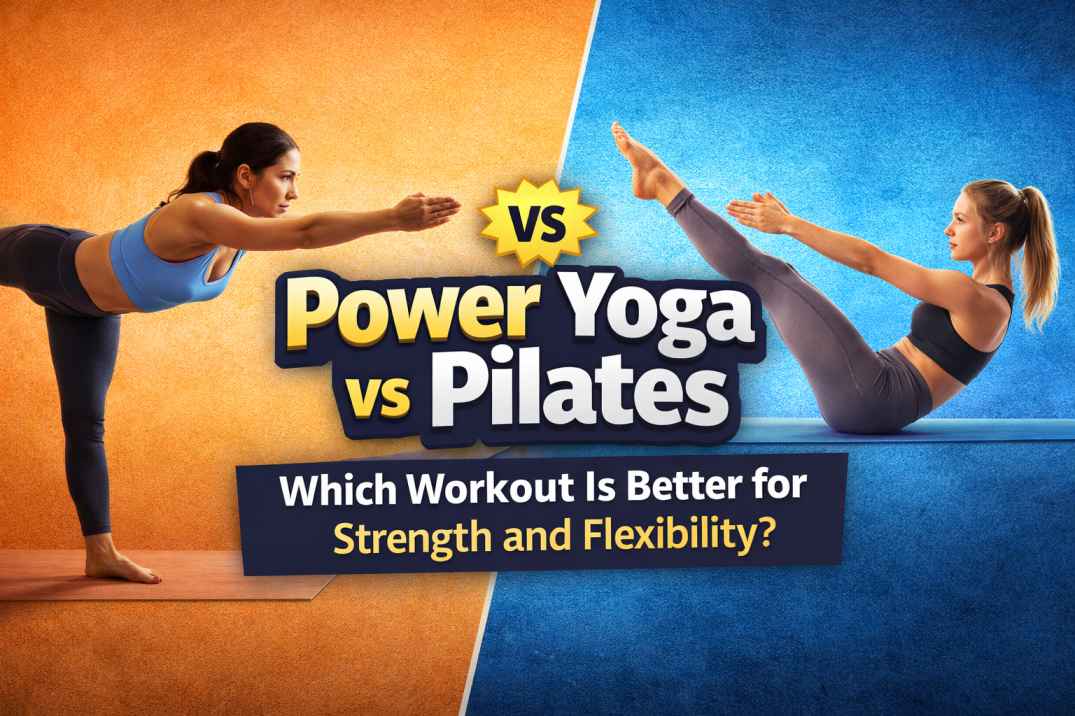
When it comes to building strength, improving flexibility, and achieving a balanced body, two popular fitness approaches often come into focus—power yoga and Pilates. Both are widely recommended by fitness experts and wellness coaches, yet they differ in philosophy, technique, and outcomes.
If you’re trying to decide between the two, understanding the differences and benefits of each can help you choose the right workout for your goals. In this detailed comparison of power yoga vs pilates, we’ll explore how each method works, what benefits they offer, and which one may be better suited for strength and flexibility.
Understanding Power Yoga
Power yoga is a dynamic and physically demanding form of yoga inspired by traditional Ashtanga yoga. It focuses on continuous movement, strength-building poses, and breath synchronization.
Unlike slower forms of yoga, power yoga is more intense and often feels like a full-body workout. It involves sequences of poses that flow from one to another, building heat, improving stamina, and engaging multiple muscle groups.
The emphasis in power yoga is not only on flexibility but also on strength, endurance, and overall fitness.
Understanding Pilates
Pilates is a low-impact exercise system developed to strengthen the body with a strong focus on the core. It involves controlled movements, precise alignment, and breathing techniques.
Pilates exercises are typically performed on a mat or using specialized equipment. The primary goal is to improve posture, core stability, and muscle control.
While it may appear gentle, Pilates is highly effective in building deep muscle strength and enhancing flexibility over time.
Key Differences Between Power Yoga and Pilates
When comparing power yoga vs pilates, the most noticeable difference lies in intensity and movement style.
Power yoga is fast-paced and dynamic. It challenges your cardiovascular system while building strength and flexibility. Pilates, on the other hand, is slower and more controlled, focusing on precision and muscle engagement.
Power yoga sessions often feel like a workout that combines strength training and cardio, whereas Pilates emphasizes controlled strengthening and rehabilitation.
Another key difference is the focus area. Power yoga engages the entire body with equal intensity, while Pilates places a stronger emphasis on the core muscles.
Strength Building: Which Is More Effective?
Both power yoga and Pilates are excellent for building strength, but they do so in different ways.
Power yoga uses body weight and continuous movement to develop strength across multiple muscle groups. Poses like plank, chaturanga, and warrior sequences require significant muscle engagement, making it effective for overall strength development.
Pilates, however, targets deep stabilizing muscles, particularly in the abdomen, lower back, and pelvis. It strengthens the core, which is essential for overall body strength and injury prevention.
If your goal is functional strength and a full-body workout, power yoga may have an edge. If you are looking to build core strength and improve posture, Pilates is highly effective.
Flexibility: A Comparative View
Flexibility is another important aspect of fitness, and both methods offer benefits in this area.
Power yoga improves flexibility through dynamic stretching and flowing movements. As you move from one pose to another, your muscles are continuously lengthened and engaged.
Pilates enhances flexibility through controlled stretching and alignment. It focuses on elongating muscles while maintaining proper posture, leading to gradual and sustainable improvements in flexibility.
In the debate of power yoga vs pilates, both are effective for flexibility, but power yoga may deliver quicker results due to its dynamic nature, while Pilates offers more controlled and precise flexibility gains.
Core Strength and Stability
Core strength is where Pilates truly excels. Almost every Pilates exercise is designed to engage the core, making it one of the best workouts for developing abdominal and spinal stability.
Power yoga also strengthens the core, but it does so as part of a broader full-body workout. While it improves core strength, it may not isolate core muscles as effectively as Pilates.
For individuals recovering from injuries or looking to improve posture, Pilates is often the preferred choice.
Calorie Burn and Weight Management
Power yoga is more intense and can lead to higher calorie burn compared to Pilates. The continuous movement and dynamic sequences increase heart rate, making it beneficial for weight management.
Pilates, being low-impact, burns fewer calories during a session. However, it contributes to long-term fitness by improving muscle tone and metabolism.
If weight loss or calorie burn is your primary goal, power yoga may be more suitable. For sustainable fitness and body conditioning, Pilates is equally valuable.
Impact on Mental Well-Being
Both power yoga and Pilates offer mental health benefits, but their approaches differ.
Power yoga incorporates elements of traditional yoga, including breathwork and mindfulness. The flowing sequences can help reduce stress and improve mental clarity.
Pilates focuses on concentration, control, and precision. It encourages a strong mind-body connection, helping you become more aware of your movements and posture.
In terms of relaxation and stress relief, both methods are effective, but power yoga may feel more energizing, while Pilates can feel more calming and focused.
Suitability for Beginners
For beginners, Pilates is often easier to start with because of its slower pace and controlled movements. It allows you to learn proper form and build a strong foundation.
Power yoga, due to its intensity, can be challenging for beginners. However, many classes offer modifications to make it accessible.
If you are new to fitness, starting with Pilates and gradually transitioning to power yoga can be a balanced approach.
Injury Prevention and Rehabilitation
Pilates is widely recommended for injury prevention and rehabilitation. Its focus on alignment and controlled movement helps strengthen weak areas and improve posture.
Power yoga, while beneficial, requires proper technique to avoid strain or injury. It is more suitable for individuals who already have a basic level of fitness.
For those recovering from injuries or dealing with chronic pain, Pilates is generally the safer option.
Which One Should You Choose?
The choice between power yoga and Pilates depends on your fitness goals, preferences, and physical condition.
If you are looking for a high-energy workout that builds strength, improves flexibility, and burns calories, power yoga is an excellent choice.
If your focus is on core strength, posture, controlled movement, and long-term physical balance, Pilates may be more suitable.
Many fitness experts recommend combining both practices to enjoy the benefits of each. This approach provides a well-rounded fitness routine that covers strength, flexibility, and stability.
Combining Power Yoga and Pilates
Instead of choosing one over the other, you can incorporate both into your weekly routine.
For example, you can practice power yoga on days when you want an intense workout and Pilates on days when you prefer a slower, more focused session.
This combination helps you develop both dynamic strength and deep muscle stability, leading to better overall fitness.
Final Thoughts
The debate of power yoga vs pilates does not have a one-size-fits-all answer. Both practices offer unique benefits and can significantly improve your strength, flexibility, and overall well-being.
Power yoga is ideal for those seeking intensity, endurance, and full-body strength, while Pilates is perfect for building core stability, improving posture, and enhancing controlled flexibility.
Ultimately, the best workout is the one that aligns with your goals and keeps you consistent. Whether you choose power yoga, Pilates, or a combination of both, the key is to stay committed and enjoy the journey toward better health and balance.